February 2026 · 5 min read
The Science Behind Kaleidoscope Symmetry
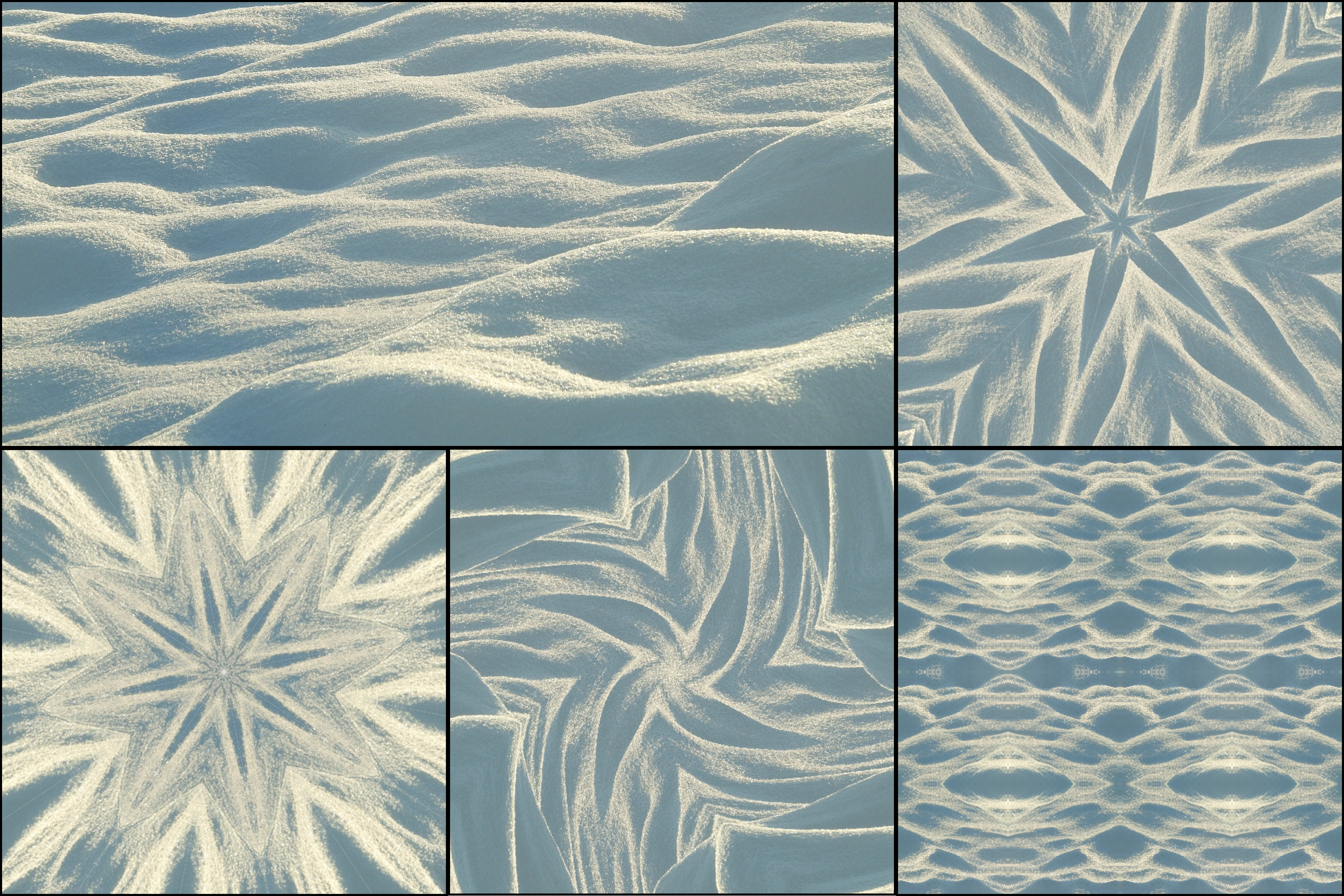
A kaleidoscope creates symmetry through mirror reflections arranged at precise angles. Here is the basic idea behind the effect — the same principles that produce beautiful kaleidoscope patterns in practice.
Rotational symmetry When you divide 360° by the number of segments, each slice can repeat around the center. This is called rotational symmetry.
Mirror repetition A kaleidoscope effect works by repeating and reflecting visual information so that the segments align into a unified whole.
Why some settings feel more satisfying Certain segment counts create cleaner balance and stronger visual rhythm. This is why some kaleidoscope patterns feel calm and harmonious while others feel energetic or chaotic — choosing the right source photo amplifies these differences further.
Digital kaleidoscopes Modern digital tools simulate the same visual logic with image processing instead of physical mirrors. A free kaleidoscope generator makes it easy to experiment with symmetry using photos, animations, and live camera feeds.